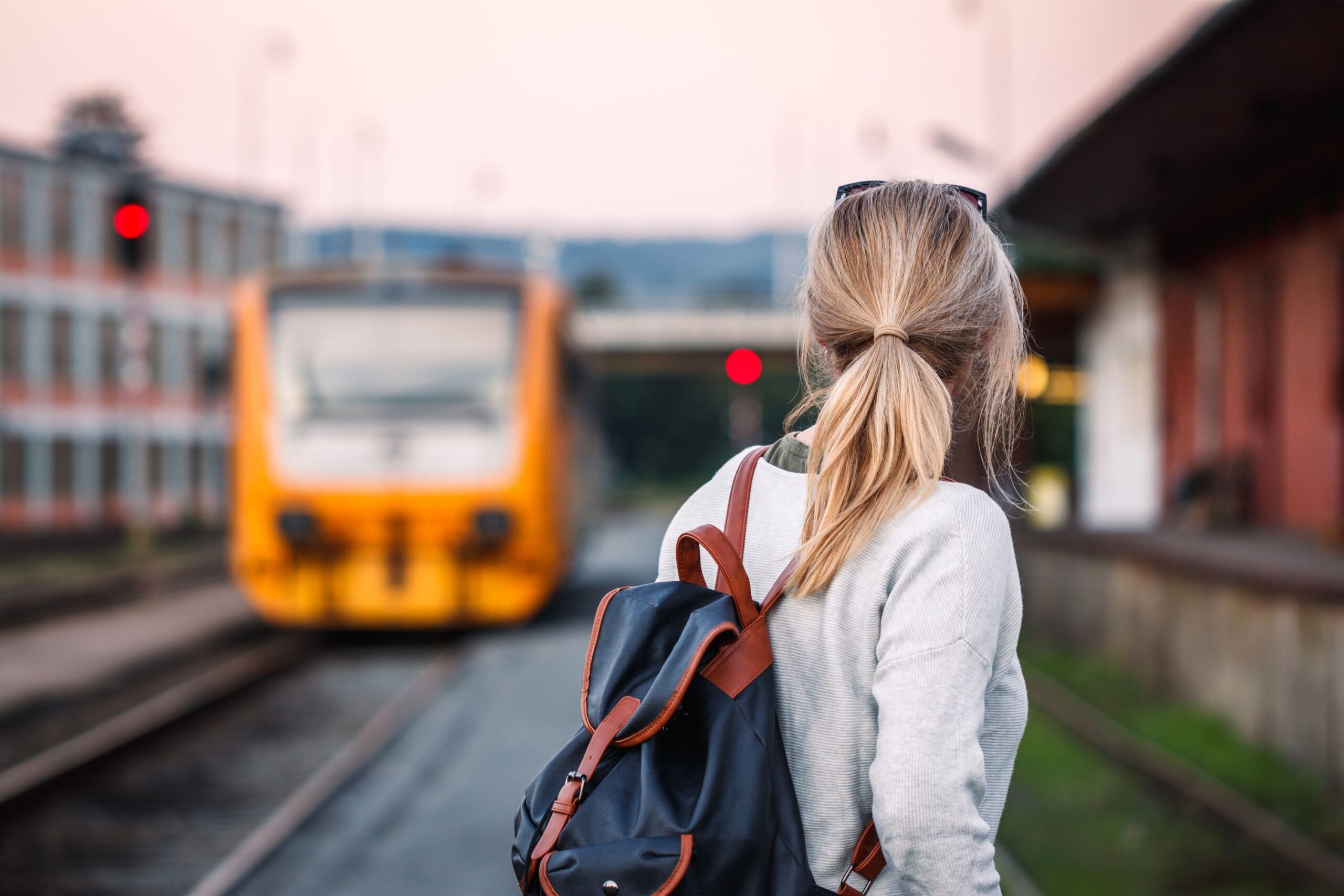
Taking a train alone is one of the most practical and stress-free ways to travel between cities or across borders. Whether you’re navigating a local commuter line or planning a long-distance journey, train systems around the world are built to accommodate independent travelers.
From single-day city hops to multi-country rail passes, solo train travel offers flexibility without the delays and restrictions often found in air travel or car rentals.
Rail operators in regions like Europe, North America, and Asia have streamlined the solo travel experience. Most offer mobile ticketing, assigned seating, digital timetables, and real-time journey tracking.
This guide explains how to navigate a train trip alone, covering safety measures, booking strategies, seating preferences, luggage policies, and onboard expectations—all tailored to make independent rail travel smooth and manageable.
Is Train Travel Safe for Solo Travelers?
Solo train journeys are widely regarded as safe across most modern rail systems. National and international train operators have implemented clear security protocols and onboard features that specifically support individual passengers.
Trusted rail networks such as Amtrak in the United States, SNCF in France, Deutsche Bahn (DB) in Germany, Trenitalia in Italy, and Japan Railways (JR) in Japan maintain high safety standards. These typically include:
- CCTV surveillance throughout carriages and stations
- Emergency communication systems are installed in each train car
- Ticket inspections are conducted by trained staff during the ride
- Platform security controls and clear signage in multiple languages
- Onboard presence of conductors and support personnel
These systems help solo travelers feel secure, particularly on longer or international routes.
Train Safety Tips for Solo Passengers
To ensure a safe and comfortable experience while traveling alone by train, consider the following precautions:
- Travel during daylight hours when routes and stations are easier to navigate.
- Sit in central, well-occupied train cars—preferably near café compartments or conductor stations.
- Avoid sitting in empty or poorly lit carriages, especially on overnight or late evening services.
- Use official ticketing platforms, such as Trainline, Omio, or national railway websites, to prevent booking fraud.
- Keep valuables with you at all times, especially in stations, restrooms, or when moving between train cars.
- In countries like Japan, India, and the UK, consider using women-only coaches or quiet zones for added privacy and security.
Staying alert in busy stations, avoiding distractions from your devices, and being aware of your surroundings can go a long way in enhancing solo traveler safety.
Do You Need to Book a Single Train Ticket in Advance?
Booking is not always required for every train route. Still, it is strongly recommended for solo travelers who want to avoid last-minute stress, secure preferred seating, and benefit from the best available fares. On certain services—particularly high-speed, international, or overnight trains—pre-booking may even be mandatory.
Below is a breakdown of when reservations make sense and how to secure your seat as a solo rail passenger:
When Advance Booking Is Recommended
| Train Type | Booking Advice |
| Local/regional trains | Usually open seating; buy tickets on the day; schedules often run every 30–60 minutes. |
| High-speed trains | Strongly advised to book early; seats can sell out and prices rise closer to departure. |
| International trains | Often requires booking due to passport checks and border controls; ID may be needed. |
| Overnight trains | Reservation required for sleeping berths or private compartments. |
Booking in advance gives you more control over your trip, essential when traveling alone, especially on unfamiliar routes or during peak travel seasons.
Where to Book Train Tickets Online for Solo Trip
Reliable booking platforms make it easier for solo travelers to plan and manage their train journeys without visiting a ticket office. The following tools are widely used and support multiple countries and rail networks:
- Trainline – Ideal for booking trains across the UK, France, Italy, Germany, and Spain. Supports digital tickets, seat selection, and fare comparisons.
- Omio – A multimodal travel platform that compares trains, buses, and flights across Europe and North America. Useful for solo trip planning.
- Official national railway websites – Use bahn.de (Germany), sncf-connect.com (France), trenitalia.com (Italy), or others to book directly, often at the lowest fare.
- Mobile apps from rail operators – Many national rail services offer apps with real-time platform updates, mobile ticket storage, and push notifications.
Benefits of Booking Ahead as a Solo Traveler
- Secures your seat, especially on busy or peak-time trains
- Lowers ticket costs through early booking discounts
- Avoids queues at stations or confusion at foreign kiosks
- Helps plan transfers and connections with more predictability
- Ensures privacy with access to quiet zones or single compartments when available
Booking early is not just about convenience—it also reduces uncertainty, which can be crucial for travelers managing everything on their own.
Can You Bring Luggage When Traveling by Train Alone?
Train travel is far more lenient than air travel when it comes to luggage. Most railway systems allow passengers to board with their bags directly—no need to check them in or go through airport-style security, except for a few select international or high-speed services like Eurostar or AVE.
For solo travelers, this makes train journeys far easier to manage, as you can avoid baggage queues and retrieve your items quickly at any stop.
Standard Luggage Rules on Trains
Most national and regional train operators follow similar policies:
- Two medium or small bags are allowed free of charge
- No strict weight limits, but bags must be manageable without assistance
- Overhead racks available for backpacks, handbags, and smaller suitcases
- Designated luggage storage areas at the ends of carriages for large items
- Keep aisles clear—placing luggage in walkways or near doors may violate safety rules
These flexible baggage allowances make trains a preferred choice for independent travelers carrying their gear.
Luggage Tips for Solo Train Travelers
Managing your luggage on a train is simple when appropriately planned. Use the following practical tips to stay organized and reduce physical strain:
- Choose luggage you can handle independently, such as a wheeled carry-on or lightweight travel backpack
- Arrive early at the platform to find available space in overhead racks or at the carriage ends
- Keep a small day bag or crossbody pouch for valuables like passports, phones, chargers, and cash—store it with you, not in communal racks
- Avoid placing bags down unattended in stations or on board, especially in crowded environments
- Label all luggage clearly with your name and phone number in case of mix-ups
While some train stations and long-distance services offer porter assistance or luggage delivery services, most solo travelers find it easier and faster to carry everything themselves.
If you’re transferring between multiple trains or stations, consider packing light to make transitions smoother, especially if escalators, stairs, or walking between platforms are involved.
Seat Recommendations for Solo Train Travelers
When you’re traveling alone, your seat choice plays a key role in comfort, privacy, and access. Here are some tips to help you choose more strategically:
- Pick an aisle seat if you value easy access to walkways, restrooms, or the café car
- Consult train seating maps—available on booking platforms like Trainline or directly on operator websites—to avoid high-traffic areas or seats near doors
- Opt for a quiet carriage if you’re working, reading, or want to avoid loud conversations or phone calls
- For night trains, reserve a private sleeper cabin or request a single-gender shared compartment when available
- Choose mid-carriage seats to reduce motion disturbance and improve security (these are often closer to staff areas)
Some high-speed trains also allow you to filter your seat preferences during booking (e.g., window vs. aisle, near power outlet, facing direction of travel), which can significantly improve the solo travel experience.
What to Expect Onboard as a Solo Traveler
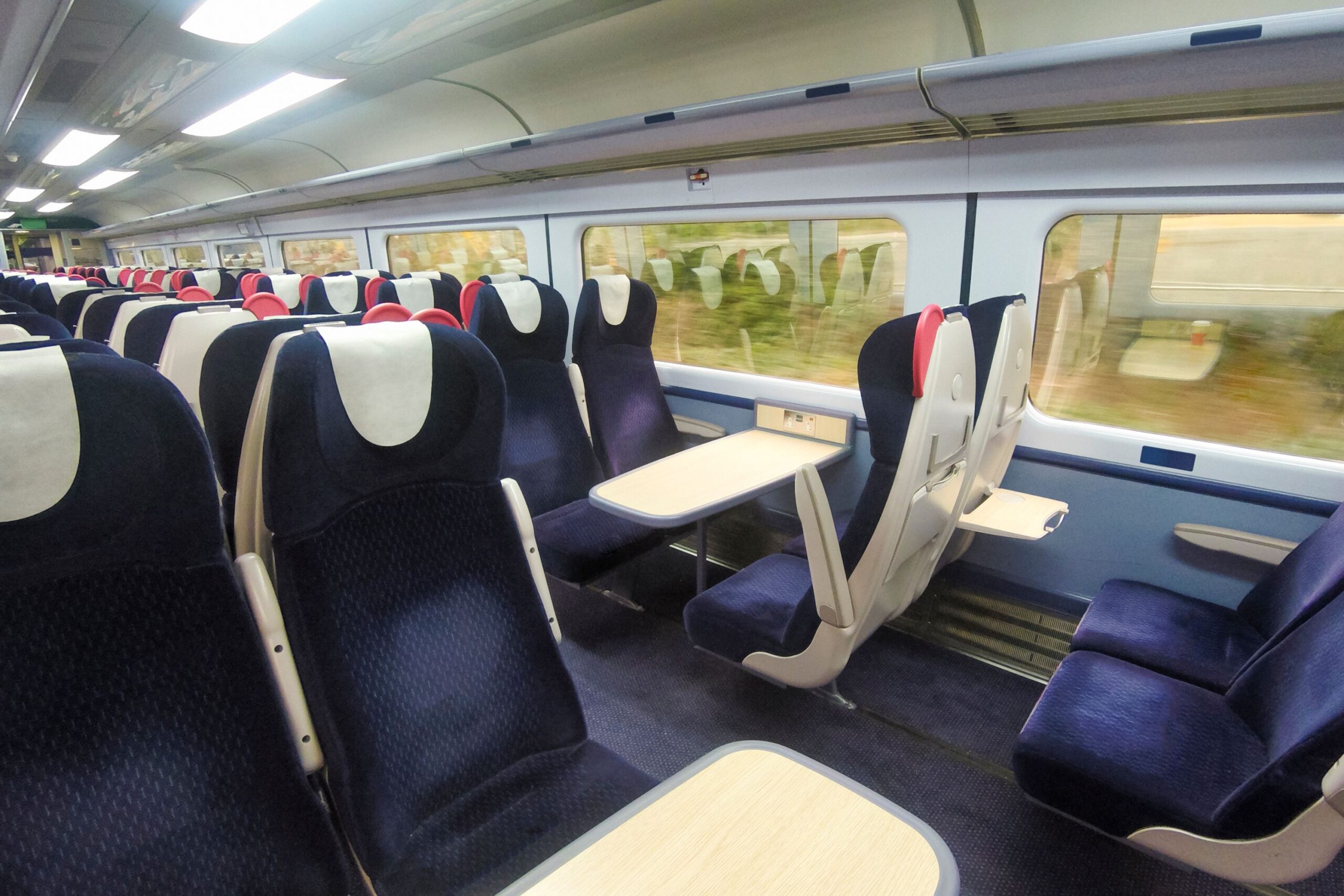
Modern trains across Europe, North America, and Asia are well-equipped with features that support solo travelers. Whether you’re on a short intercity ride or a long-haul journey, the onboard environment is typically clean, quiet, and designed for comfort.
Common Onboard Amenities for Independent Travelers
- Wi-Fi connectivity – Free or paid internet is available on most long-distance and high-speed trains
- Power outlets – Located at or near seats, especially in newer trains or business-class cabins
- Restrooms in every carriage – Clean and accessible facilities without the need to switch cars
- Quiet zones – Ideal for reading, working, or resting; available on select trains by reservation
- Onboard cafés or snack carts – Offer drinks, meals, and light snacks on medium to long routes
- Multilingual digital displays – Show real-time updates for stops, delays, and arrival times
These amenities are handy for solo travelers managing their own time and tasks during the journey.
What to Bring for a Comfortable Solo Trip
To stay productive and relaxed, it’s a good idea to pack a few essential items:
- Noise-canceling headphones – Block out distractions in shared spaces
- Offline entertainment – Download books, movies, music, or podcasts in advance
- Reusable water bottle and snacks – Especially helpful if your train lacks food service
- Charging cable and portable power bank – Keep your devices powered throughout the ride
Many solo travelers prefer trains specifically because they offer the opportunity to focus, unwind, or simply observe the scenery, without the interruptions of airports or traffic.
On most routes, passengers are respectful and keep to themselves, creating a low-stress, distraction-free atmosphere that suits those who enjoy independent travel.
Quick Travel Checklist for Solo Train Travel
Before heading to the station, make sure you have everything needed for a smooth and stress-free solo train journey. This checklist is designed to cover both short and long-distance trips.
Essential Items to Bring
- Train ticket – Printed or digital version with QR code for scanning
- Valid ID or passport – Required for international rail travel or cross-border ticket checks
- Mobile booking app – Tools like Trainline or Omio provide updates, e-tickets, and platform info
- Fully charged smartphone – For navigation, communication, and schedule updates
- Portable power bank – Keep your phone or tablet powered during long trips
- Noise-canceling headphones – Essential for quiet time, especially in shared seating areas
- Offline entertainment – Downloaded podcasts, music, reading material, or videos
- Lightweight, manageable luggage – Easy to lift and store without assistance
- Station details – Know the station address and assigned departure platform in advance
Having these items prepared ensures smoother boarding, better focus during your ride, and fewer surprises along the way, especially important when traveling without a companion.
FAQs
Do trains have areas specifically for solo travelers?
Some trains offer quiet zones, single-seat layouts, or first-class cabins with fewer passengers—ideal for solo travelers seeking privacy and comfort.
Can you board a train last minute when traveling alone?
You can board local trains last minute, but for high-speed or reserved services, tickets and seat reservations must be secured in advance to ensure boarding.
What is the safest country for solo train travel?
Countries like Japan, Switzerland, and Germany are known for safe, punctual, and traveler-friendly train systems, making them ideal for solo train journeys.
Are there solo rail passes for multi-day trips?
Yes, passes like the Eurail Global Pass, Japan Rail Pass, or BritRail Pass allow solo travelers to explore multiple destinations with a single flexible ticket.
Is solo train travel suitable for first-time international travelers?
Trains are ideal for first-time solo travelers—stations are easier to navigate than airports, and support staff are usually available in multiple languages.
Can I travel overnight alone on a train?
Overnight travel is common for solo passengers. Choose a private sleeper, women-only cabin, or 1st class berth for more security and comfort.
Do solo travelers pay extra for booking a sleeper cabin?
Some routes charge more for single occupancy sleeper cabins, but the privacy and comfort may be worth the cost for independent travelers.
Are there quiet cars available for solo travelers?
Many high-speed trains (like TGV, Eurostar, and Amtrak’s Acela) offer quiet carriages, which are ideal for solo passengers who prefer a peaceful ride.
How can I reduce anxiety about solo train travel?
Plan using rail apps, book direct routes, and avoid tight connections. Familiarity with station layouts via Google Maps helps ease uncertainty.
Are train stations safe for solo travelers at night?
Major stations are monitored and have security, but traveling during daytime hours is still advisable—especially for first-time or female solo travelers.
Can you meet other travelers on a solo train trip?
While train travel is typically quiet, café cars, group compartments, or tourist routes offer chances to meet other passengers if you’re open to conversation.
What seat location is best for solo safety and convenience?
Seats in central carriages near staff, away from doors, are generally more secure and convenient for accessing restrooms or onboard services.
Are lockers available at train stations for solo travelers?
Most large train stations in Europe and Asia provide luggage lockers or left-luggage counters, allowing solo travelers to explore hands-free during layovers.
How early should I arrive at the station when traveling alone?
Arrive 15–30 minutes before departure for local or regional trains. For international or overnight routes, give yourself 45–60 minutes to locate platforms and avoid the rush.
Can I eat alone on the train without issues?
Absolutely. Eating at your seat or in the dining car is standard practice. Most solo travelers bring snacks or buy onboard for convenience.
Do solo travelers get access to priority boarding on trains?
Trains generally don’t offer priority boarding unless you’re traveling in first class or with mobility assistance. Boarding is usually based on arrival time.
What is the best time of day for solo train travel?
Mid-morning or early afternoon is ideal—stations are less crowded, and onboard environments are typically calmer than peak commuter hours.
Are there student or youth discounts for solo train travelers?
Many rail companies offer youth fares or student discounts with a valid ID or card, making solo train travel more affordable for younger passengers.
Can I use my phone’s mobile ticket without printing?
Yes. Most rail operators accept mobile tickets with QR codes, which you can present via email, SMS, or the app—no printing required.
Is it possible to work remotely while traveling alone by train?
Trains are a popular choice for remote work while traveling, especially those with Wi-Fi, power outlets, and designated quiet zones for concentration.